


The Trust
Built with purpose, served with compassion, carried forward with trust.
A Tradition with a Purpose
Some traditions are preserved not simply by remembering them, but by living them.

Rooted in Thirunelly, at the foothills of Brahmagiri, the Navagraha Religious and Charitable Trust carries forward a living tradition shaped by devotion, cultural heritage, service, and respect for the natural world.
The Trust brings together a range of efforts that share a common purpose — to protect what is sacred, strengthen what is valuable, and serve what is in need. This includes the preservation of Temple Arts and Traditional Martial Arts, the nurturing of spiritual and ancestral practices, and initiatives that support the values and continuity of Sanatana Dharma.
Its work extends beyond the temple and into everyday life: caring for nature and cows, encouraging sustainable cultivation, supporting education, promoting wellness and healthcare, and contributing to the wellbeing of the wider community.
At its heart is a simple belief — that heritage is not something to be placed behind glass. It is something to be practised, protected, shared, and passed on.
Guided by the timeless prayer “Lokāḥ Samastāḥ Sukhino Bhavantu” — May all beings everywhere be happy and well, the Trust seeks to connect the wisdom of the past with the needs of the present, so that its values may continue to serve generations yet to come.
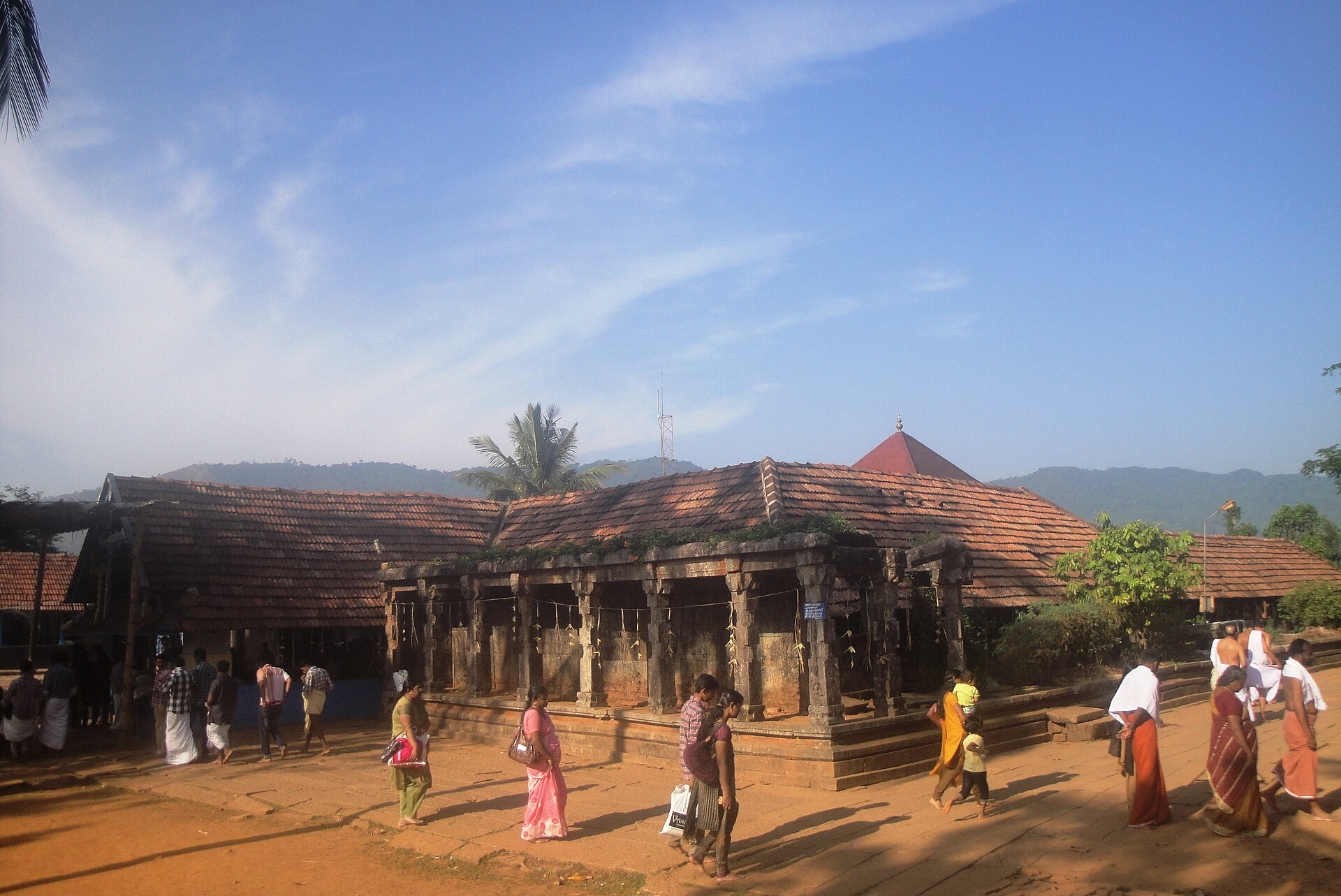
 Thirunelly temple
The story of the place
Where faith, nature
and tradition meet.
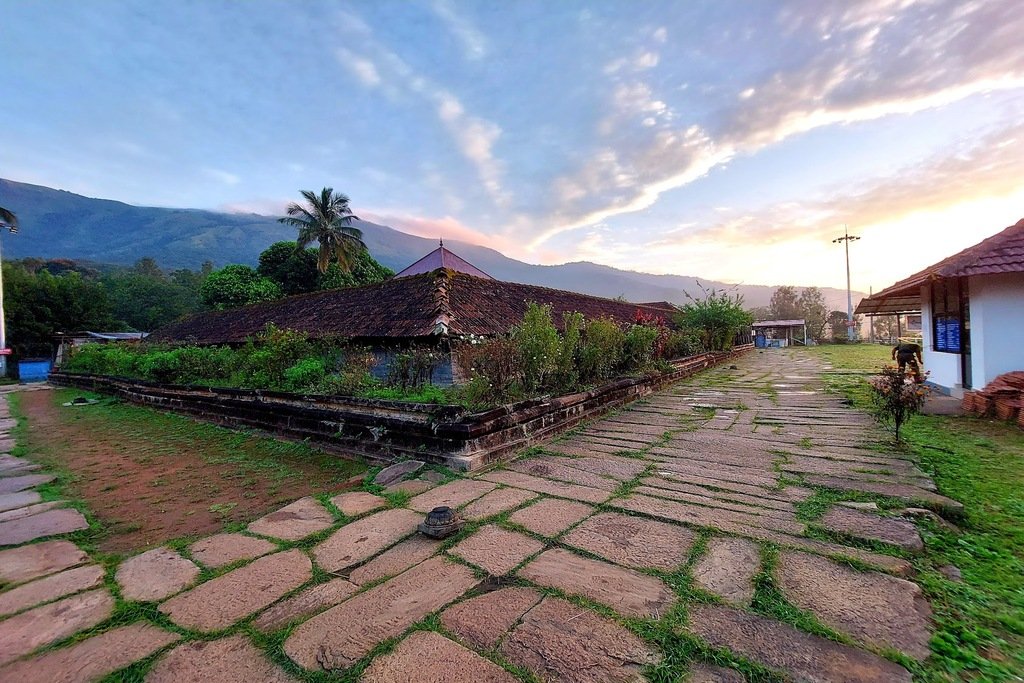
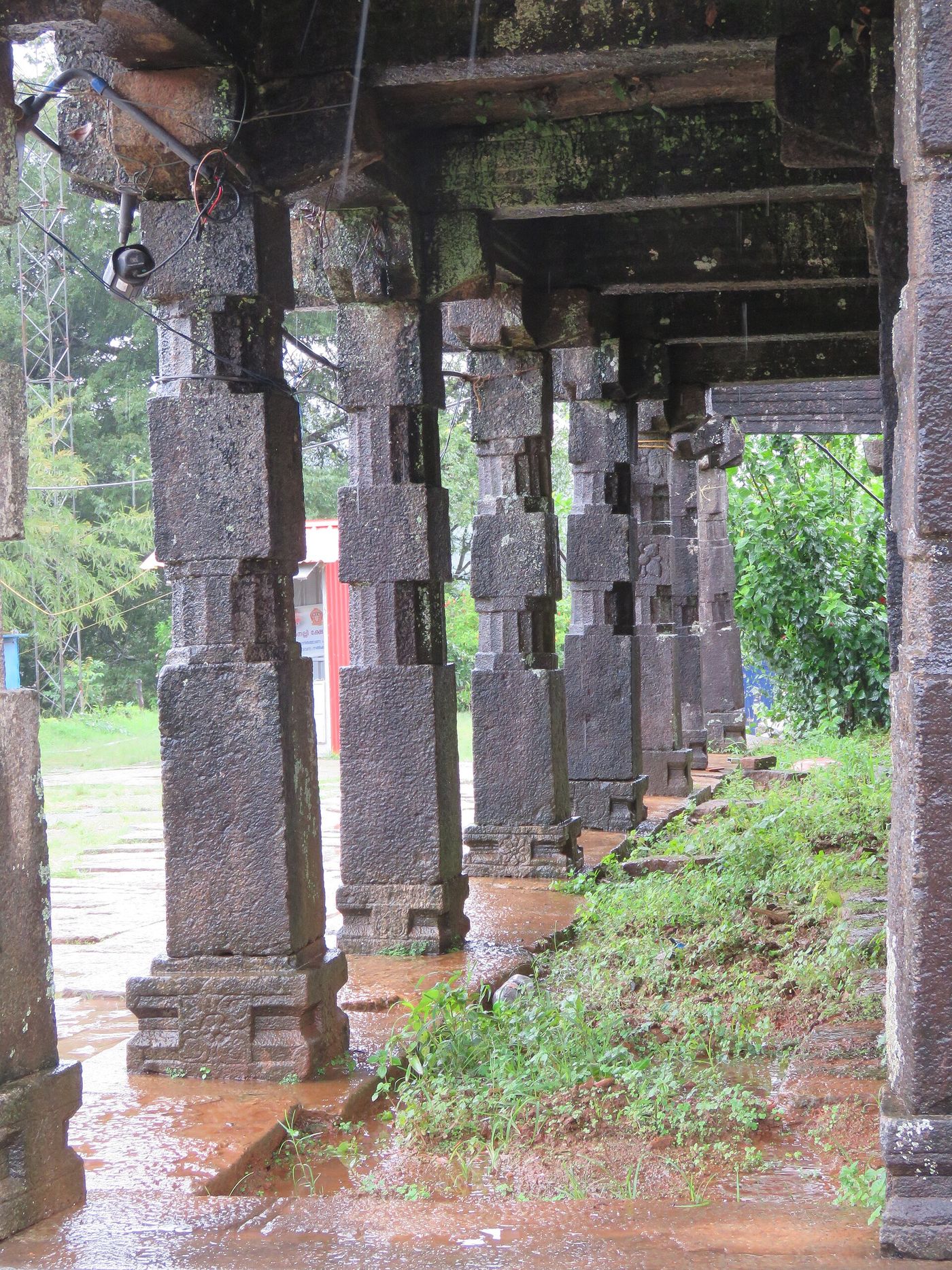
At the foothills of the Brahmagiri hills lies Thirunelly, a sacred landscape where generations have come in devotion, prayer and remembrance. At its heart stands the ancient Thirunelli Temple, dedicated to Maha Vishnu, surrounded by forests, streams and a cultural heritage that has endured through centuries.
The Papanasini, flowing through this sacred landscape, holds a special place in the spiritual life of the region. Families come here to perform ancestral rites, offer prayers, seek blessings and reconnect with traditions that have been passed from one generation to the next.
But the significance of Thirunelly extends beyond a place of worship. Its temples, rituals, traditional arts, natural environment and community form a living heritage — one that must be cared for if it is to remain meaningful for those who come after us.
This is where the Trust finds its purpose. To support the traditions that bring people here. To help preserve the cultural practices that give the place its identity. To care for the environment and living heritage around it. And to ensure that the spirit of devotion, service and responsibility continues to find expression in the life of the community.
A short chronology
Thirunelly — A Sacred Place
Through the Ages.
-
Ancient tradition
The sacred origins
According to Hindu tradition, Lord Brahma discovered and consecrated an image of Maha Vishnu beneath a nelli (Indian gooseberry) tree in the Brahmagiri hills. The place came to be known as Sahyamalaka Kshetra, and the name Thirunelly is traditionally associated with the sacred nelli tree. These accounts belong to the religious tradition of the temple rather than to independently dated historical records.
-
9th–10th centuries CE
Evidence of an established settlement
Coins discovered in the area have been reported as dating to the 9th and 10th centuries, indicating that Thirunelly was already connected with wider economic and political activity during this period.
-
999 CE
An important historical record
A copper-plate inscription associated with the reign of Chera ruler Bhaskara Ravi Varma I records a grant of royal land at Thirunelly for the expenses of the temple’s daily worship. This provides significant documentary evidence of the temple’s institutional importance by the end of the 10th century.
-
1008 CE
Royal and regional connections
A second copper-plate inscription, dated to 1008 CE, records arrangements connected with the visit of a ruler to the temple. Together, the inscriptions demonstrate that Thirunelly was not merely an isolated shrine but part of the political, religious and social life of medieval Kerala.
-
11th–12th centuries
Literary references
Thirunelly appears in early Malayalam literary traditions, including works dating to the 11th and 12th centuries. These references reinforce its standing as an established place of pilgrimage and cultural importance.
-
Up to the 16th century
A major pilgrimage centre
Historical accounts cited by Kerala Tourism indicate that Thirunelly remained an important town and pilgrimage centre until at least the 16th century, despite its location within the forested Brahmagiri landscape.
-
Centuries of continuity
Papanasini and ancestral rites
Through the centuries, Thirunelly became particularly renowned for ancestral rites and ceremonies for the departed, performed in connection with the Papanasini stream. This spiritual association earned the temple the enduring reputation of “Kashi of the South.”
-
Today
A living heritage
Thirunelly remains a significant pilgrimage destination in Kerala, where worship, ancestral traditions, architecture, traditional practices and the natural heritage of the Brahmagiri landscape continue to coexist. The temple’s traditional Kerala architecture, granite structures and historic water system remain part of this heritage.
A legacy measured in centuries.
From documented records dating back more than a thousand years to traditions that reach much further into sacred history, Thirunelly has remained a place where faith, community and cultural memory meet.
The role of the Navagraha Religious and Charitable Trust is to help ensure that this living heritage is not simply remembered as history, but cared for, practised and carried forward.
The Navagraha Trust · Values & Principles
Nine sacred forms.
Nine guiding principles.
One shared purpose.
At the heart of Navagraha Trust are nine timeless values that inspire a life of service, protection, self-reliance, culture, unity, dignity, purity, and dedication—rooted in compassion and reverence for life.
What we hold to
Four values,
that guide our work.
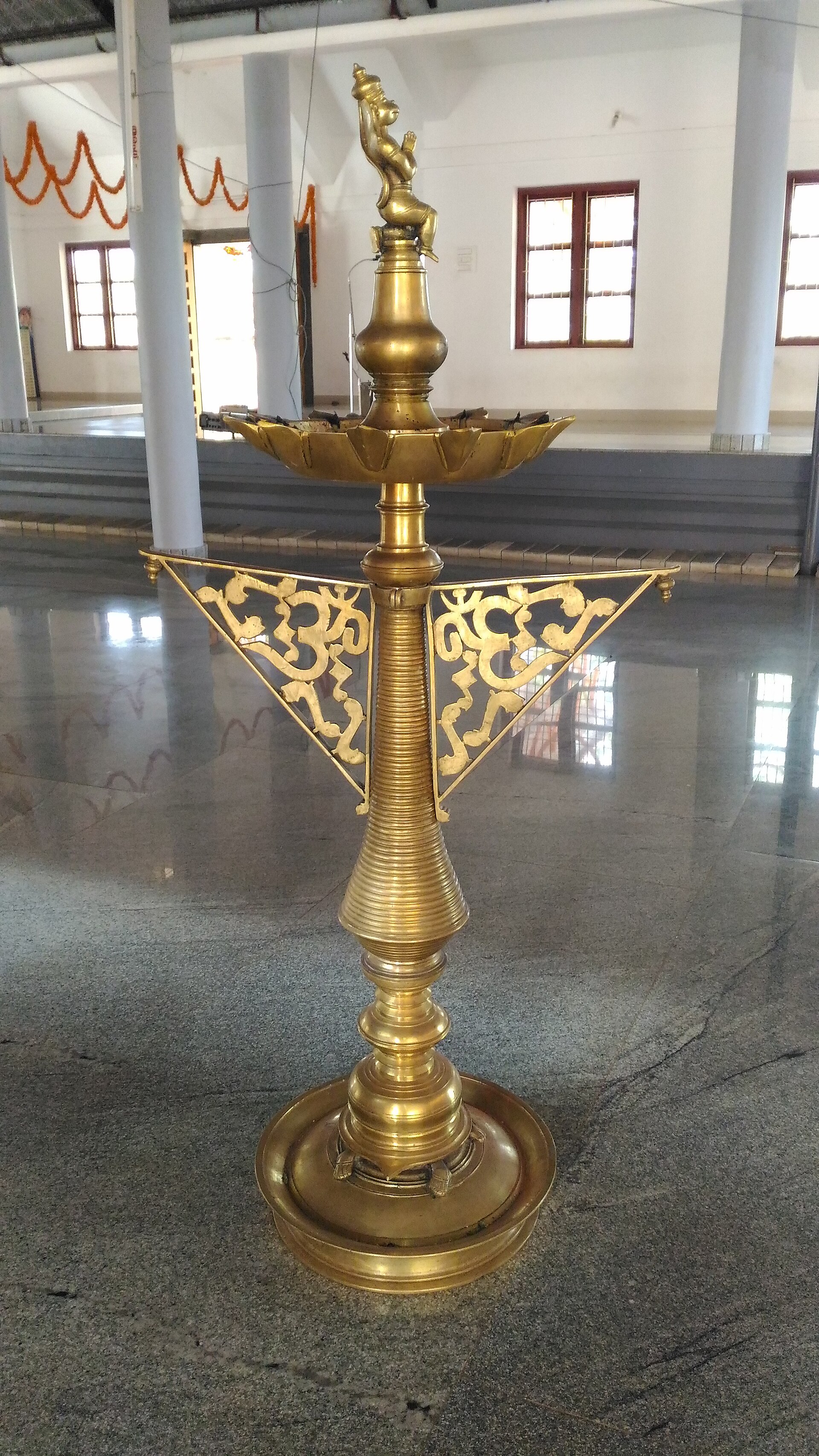
Tradition is lived
Sacred traditions are not only preserved in memory. We support their practice, protect their continuity, and help pass their wisdom from one generation to the next.
Seva is for everyone
Service begins with compassion. We seek to support people and communities with dignity, without distinction, through meaningful charitable and welfare initiatives.
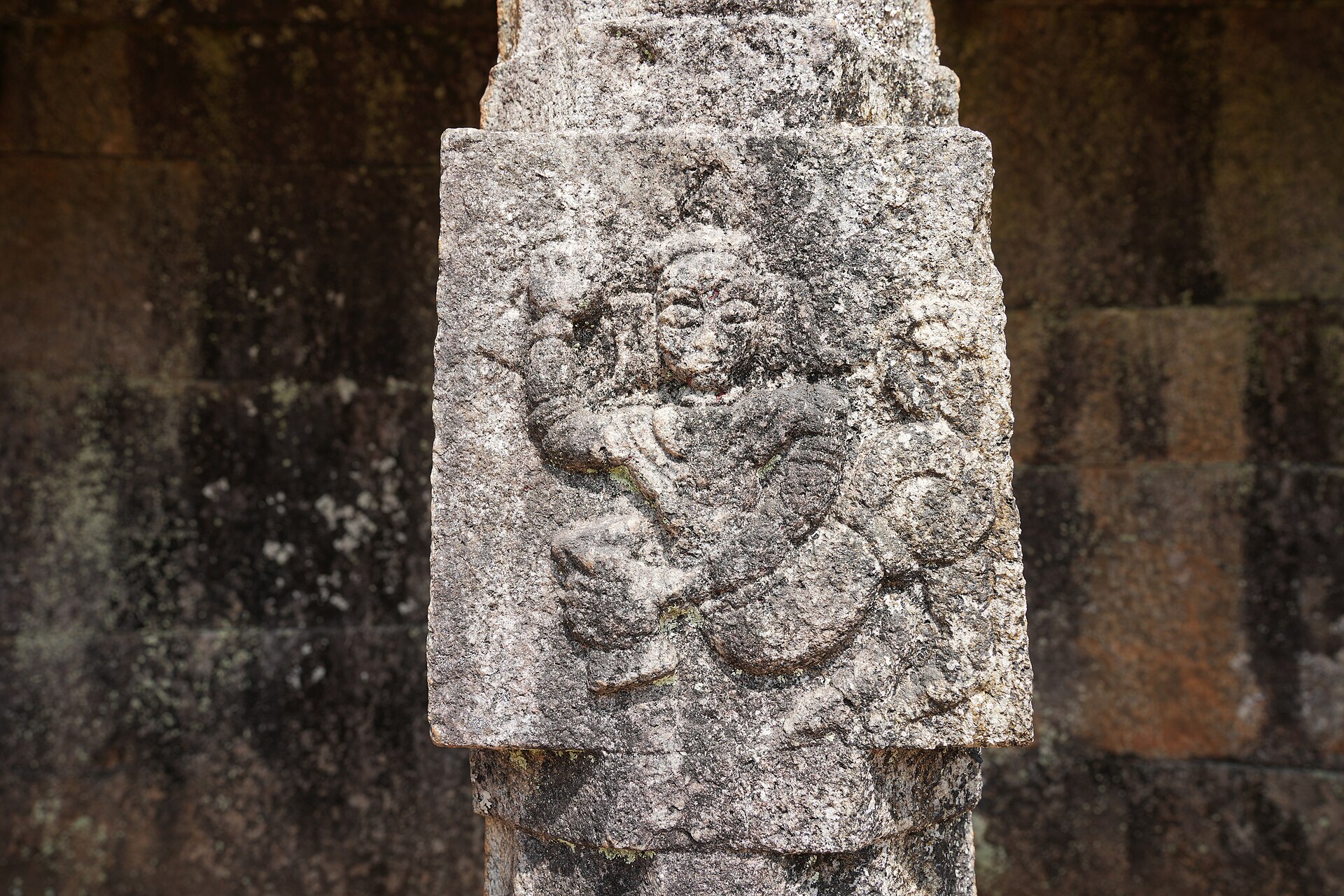
Heritage carries responsibility
Temple traditions, traditional arts, ancestral practices and cultural knowledge are a living inheritance. We work to preserve them with care and make them accessible to future generations.
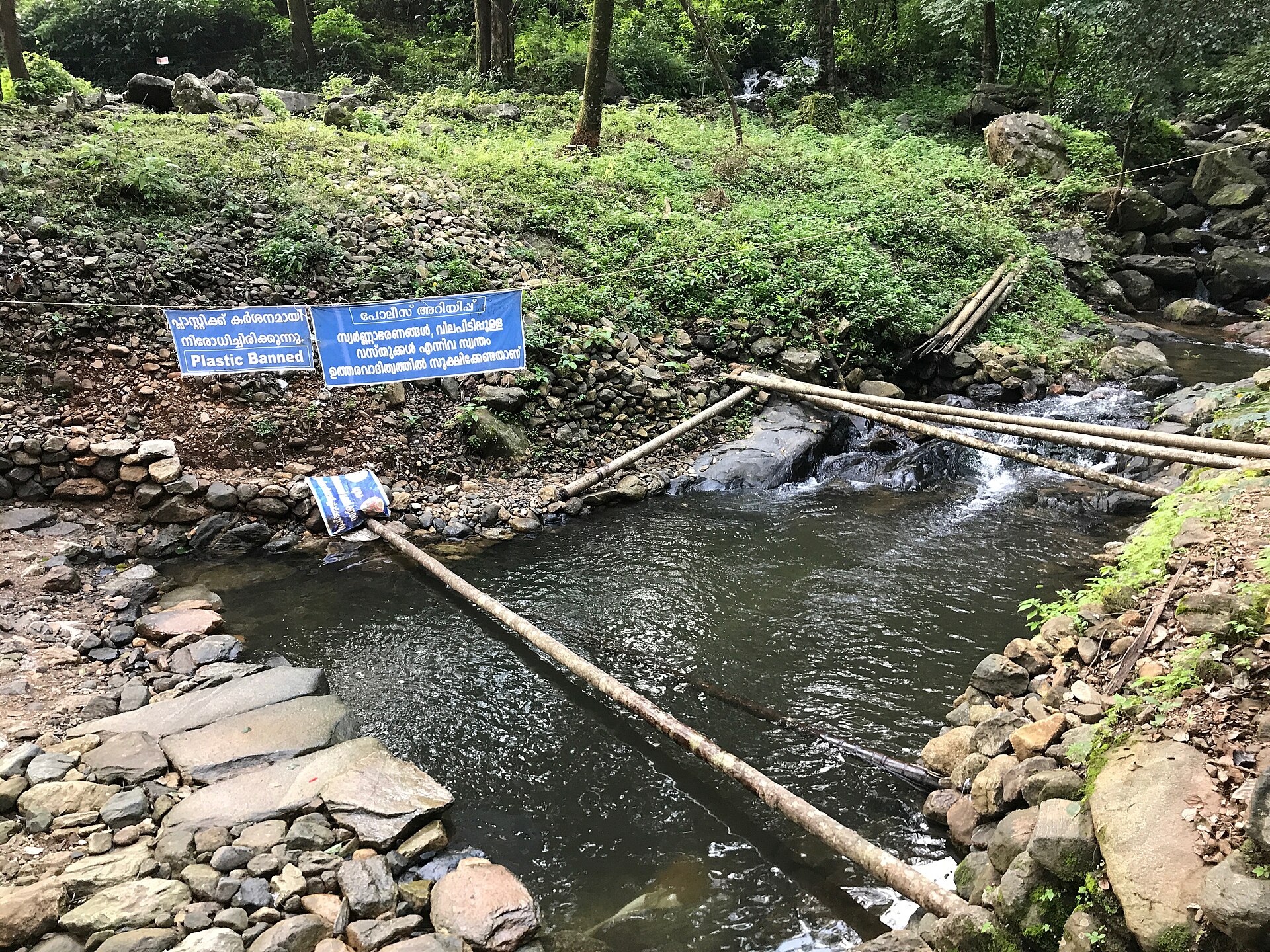
Nature is sacred
The forests, rivers, cows, soil and living environment around us are part of our shared heritage. We support responsible, sustainable practices that respect and protect the natural world.

Be Part of the Journey
There are many
ways to serve.
A living tradition continues because people choose to take part.
You can support the Trust through seva, volunteering, supporting cultural and spiritual initiatives, contributing to community welfare, helping preserve traditional arts and heritage, caring for nature and cows, or supporting education, healthcare and sustainable initiatives.
Whether you offer your time, your skills, your resources, or simply your presence, every contribution can become part of something that reaches beyond one person or one generation.
Come be part of preserving what is sacred, serving what is needed, and carrying the tradition forward.
Connect with the Trust