


A Sacred Initiative of the Trust
Kaamadhenu –
Nandikeshwara
Divine Goshala
& Nakshatra Temple
An integrated spiritual · ecological · tribal heritage project
- Location
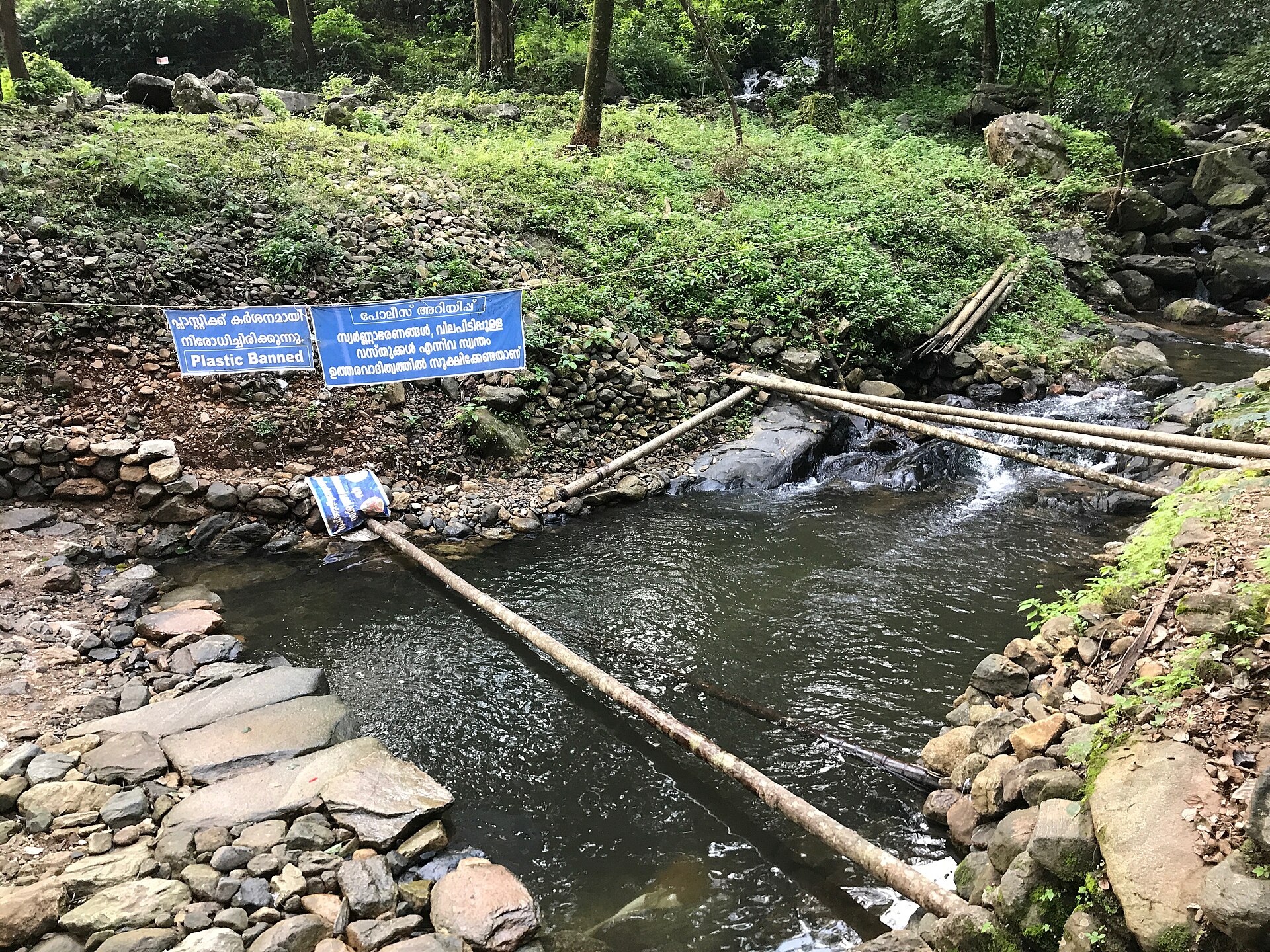
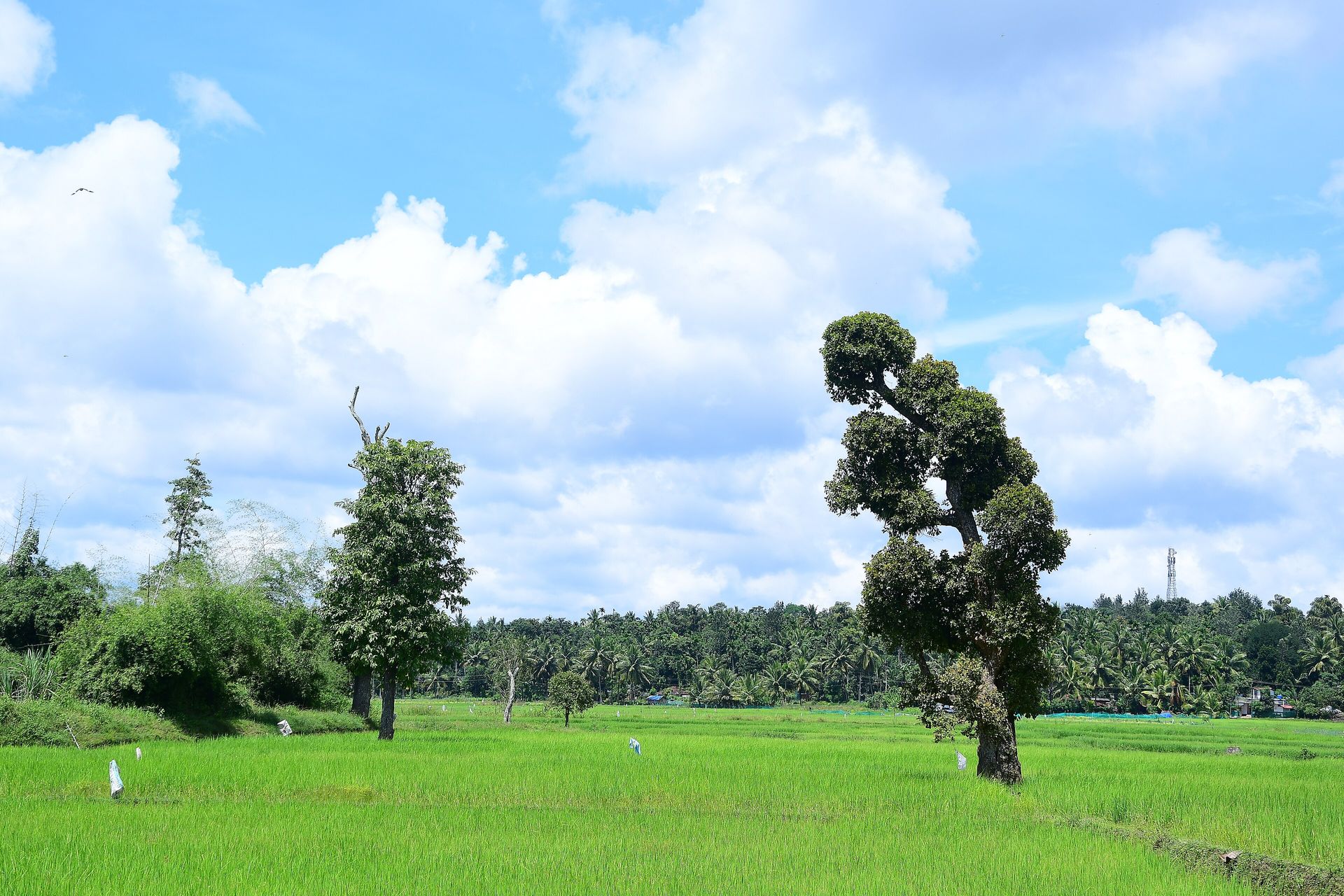
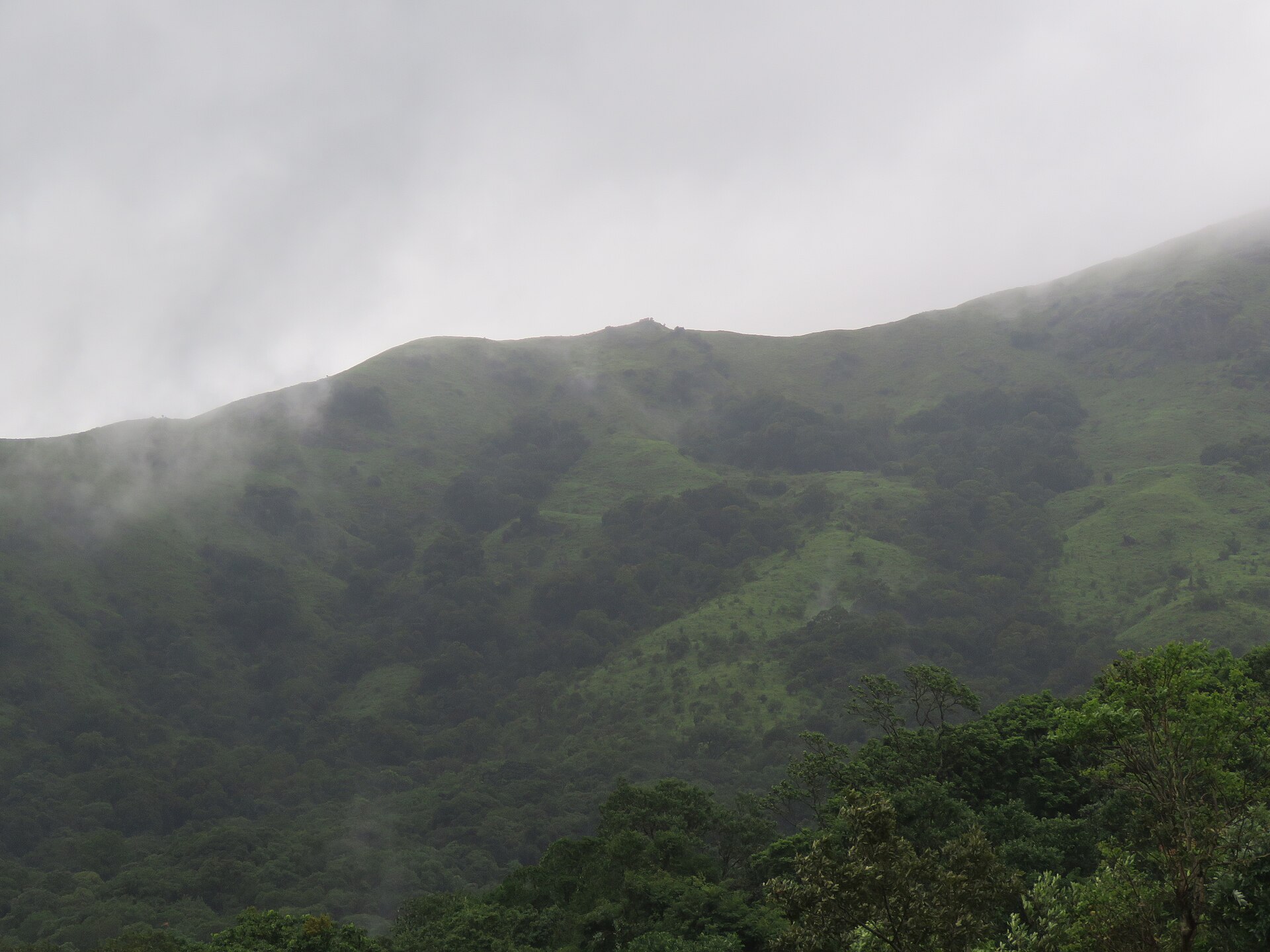
- Tirunelly, Wayanad District, Kerala —
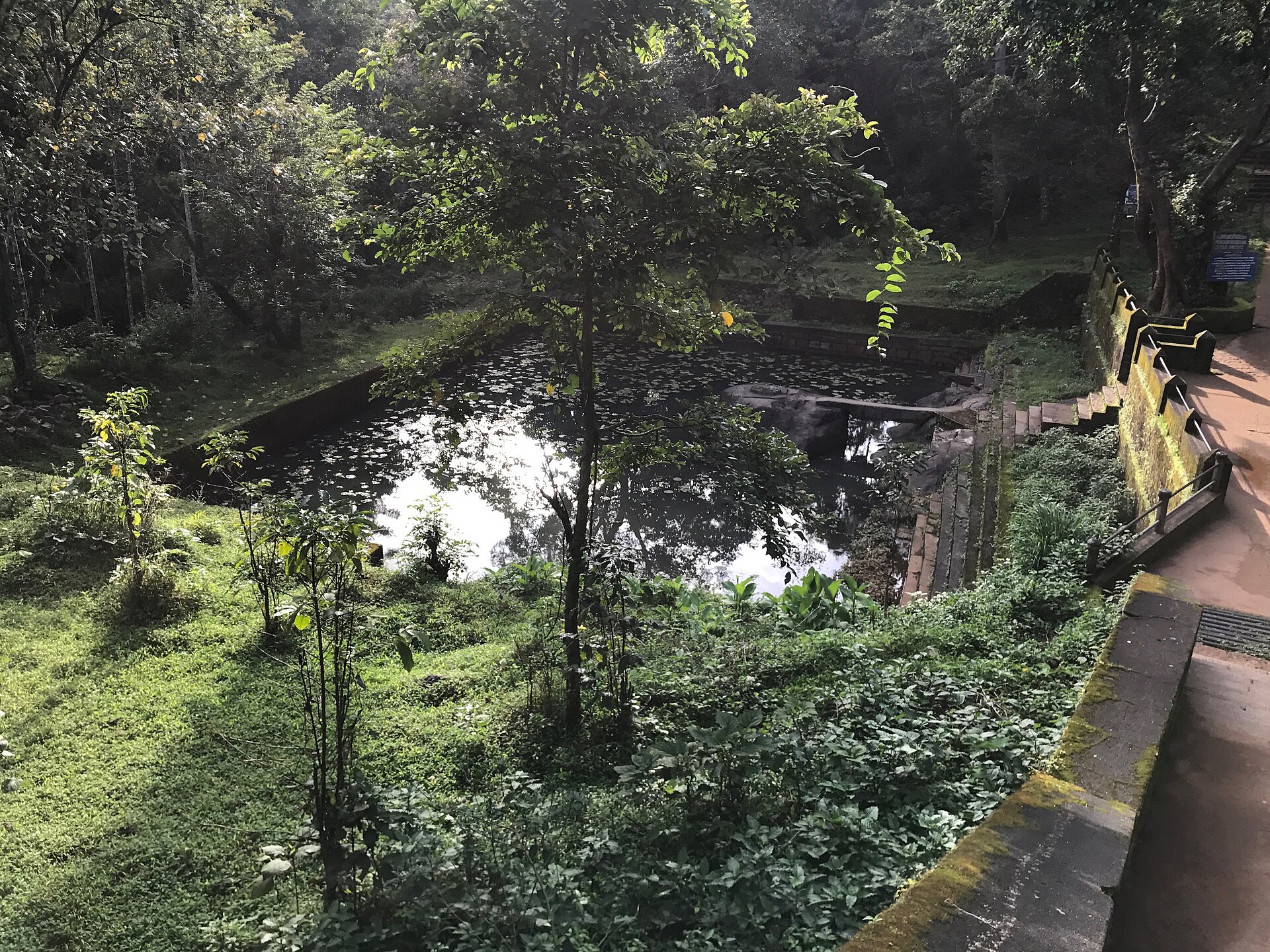
on the banks of the River Kaalindi - The Goshala
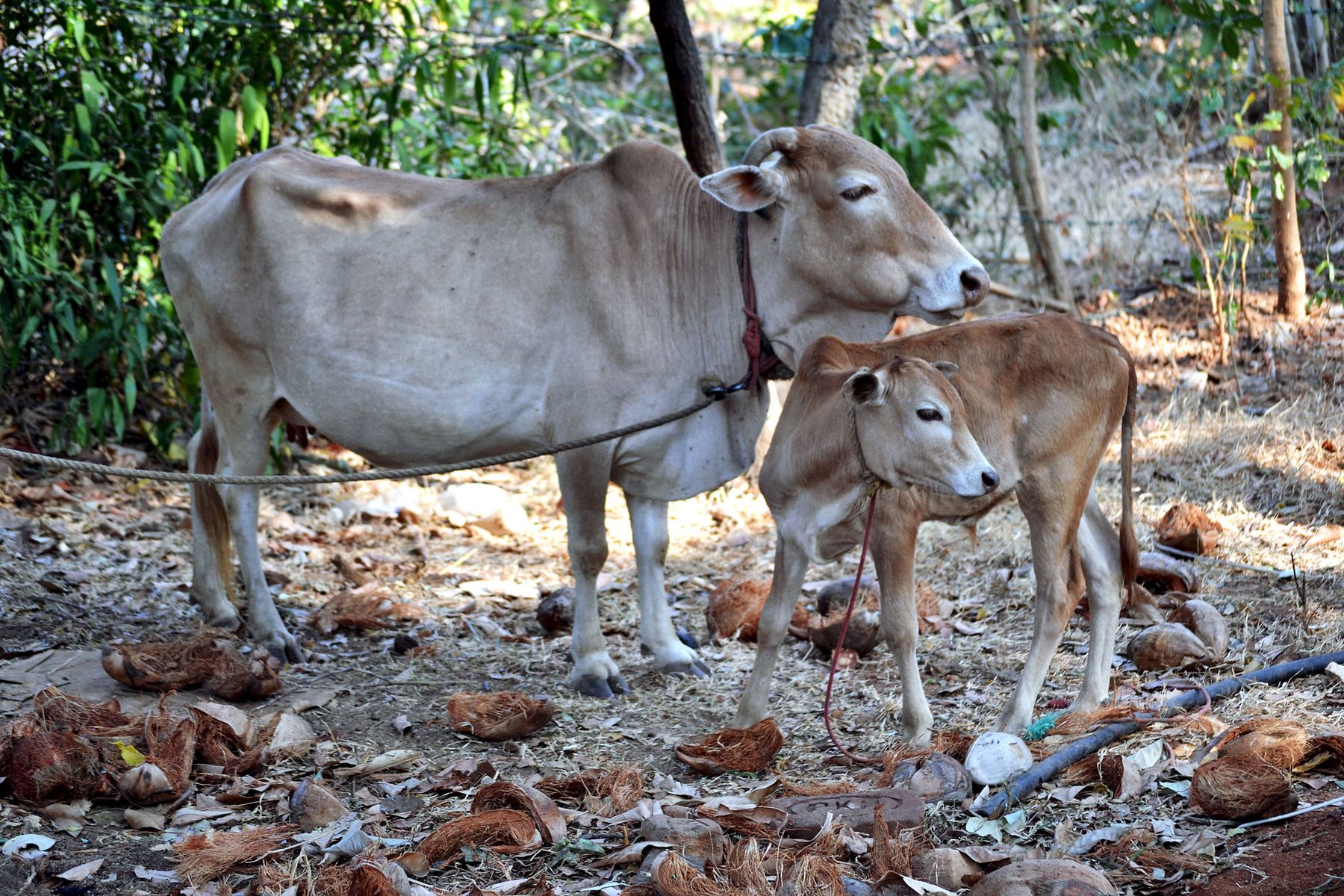
- A dedicated sanctuary for the protection, care and nurturing of cows, providing a safe and compassionate environment rooted in the sacred tradition of Go Seva.
- The Nakshatra Temple
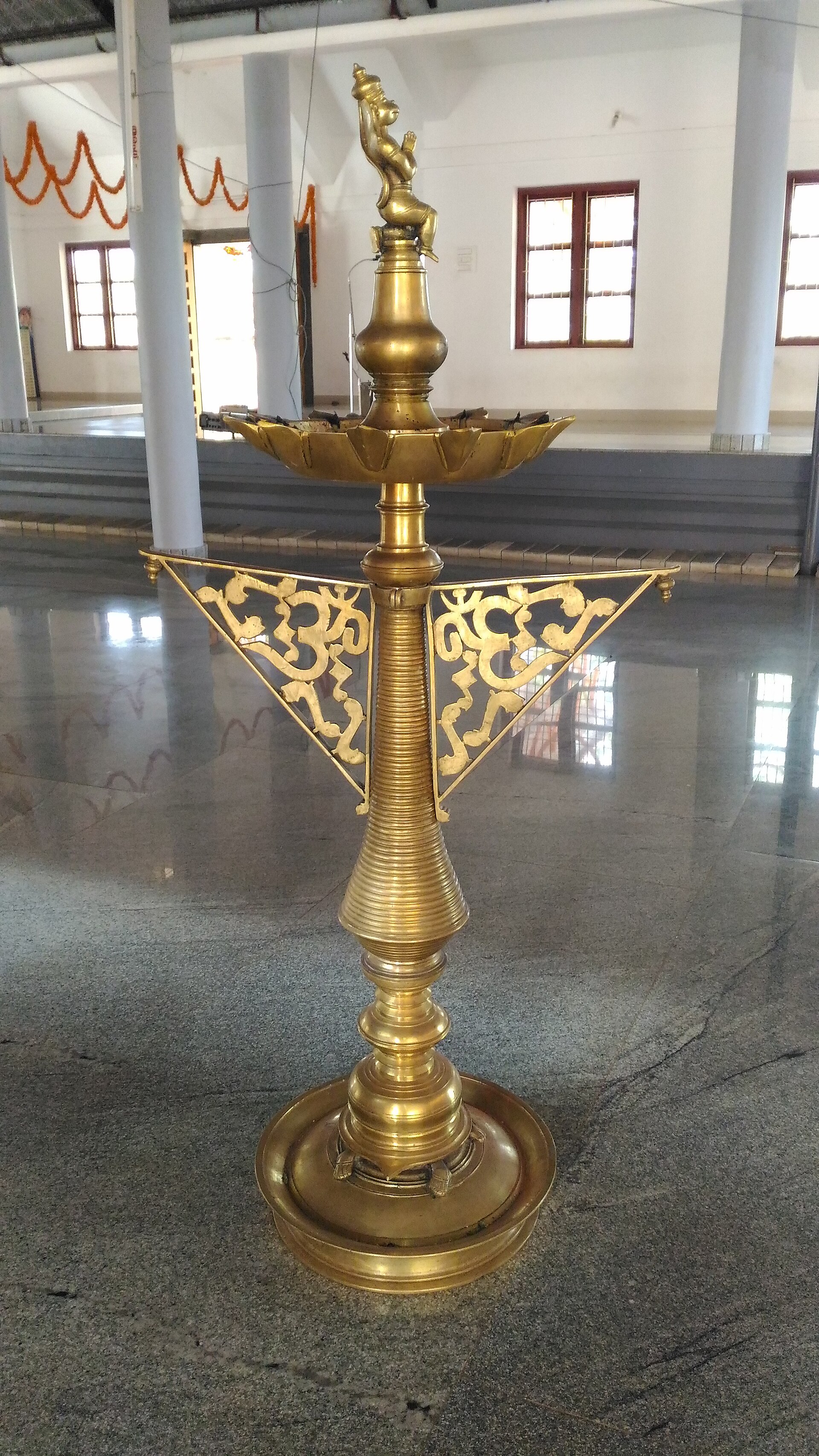
- A distinctive spiritual space dedicated to the 27 Nakshatras, bringing together ancient Bharatiya traditions of worship, cosmic understanding and spiritual practice in a sacred setting.
Purpose of the project
Where tradition,
nature and seva
come together.
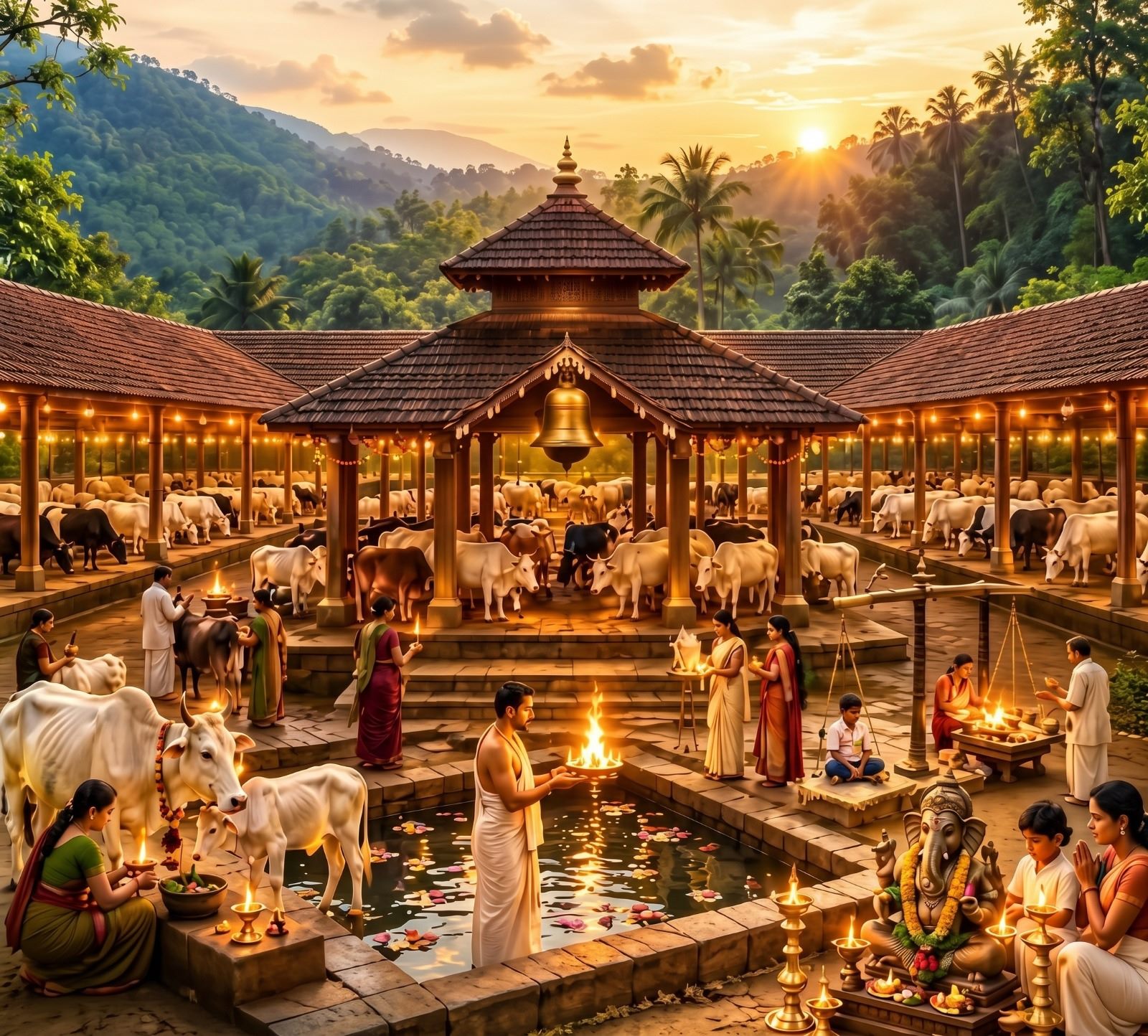
The Kaamadhenu – Nandikeshwara Divine Goshala & Nakshatra Temple is envisioned as an integrated spiritual, ecological and cultural initiative that brings together cow protection, Sanatana traditions, tribal wisdom and environmental conservation within one living model.
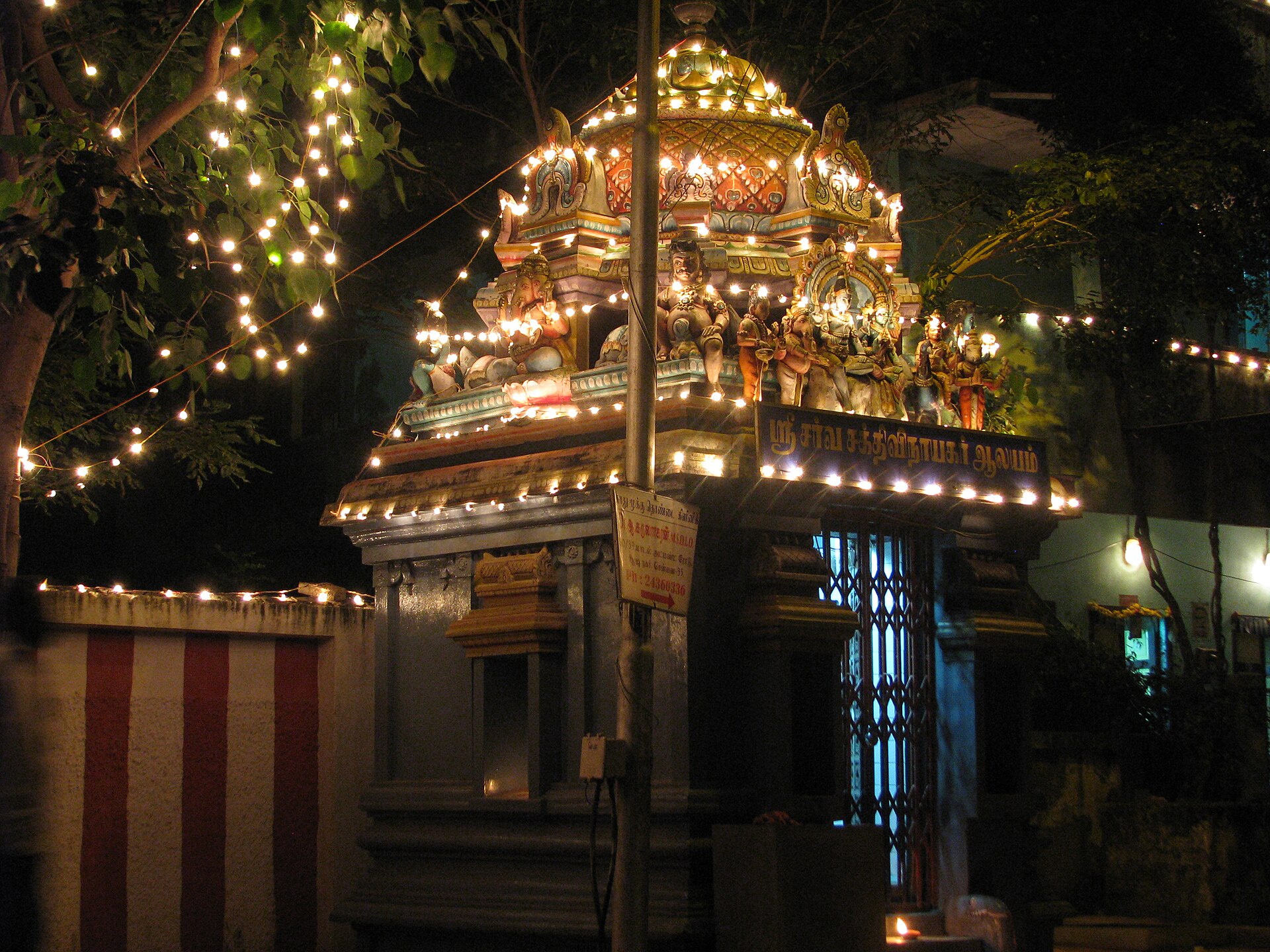
- To establish the Kaamadhenu – Nandikeshwara Temple and Nakshatra Ganapathi Temple as centres of devotion and traditional worship.
- To revive and nurture lifelong worship practices based on Janma Nakshatra (birth star) and their place in Bharatiya spiritual traditions.
- To create a dedicated Divine Goshala centred on Go Raksha, compassionate care and the preservation of the sacred relationship between cows, people and nature.
- To bring together Sanatana Dharma, tribal knowledge, cultural heritage and ecological stewardship in a meaningful and sustainable model for future generations.
Background and need
Four traditions,
waiting to be renewed.
These concerns are closely connected. Together, they point towards the need for a living model that brings spiritual practice, ecological responsibility, cow protection and community wellbeing into one place.
- Traditional cow-centred practices are decliningTraditional cow-centred Vedic practices are gradually disappearing, creating a need to revive their place in contemporary spiritual and community life.
- Ethical goshala models are neededThere is a need for goshalas centred on non-violent cow protection, compassionate care and the preservation of the cow’s sacred place in Bharatiya tradition.
- Wayanad’s tribal communities need greater inclusionThe tribal communities of Wayanad share a deep relationship with the land and forests. Their knowledge, traditions and livelihoods can be meaningfully integrated into a model of community development and cultural preservation.
- A growing interest in nature-centred spiritual livingThere is increasing interest in Nakshatra-based worship, sustainable spiritual living and nature-centred lifestyles, creating an opportunity to develop a place where these traditions can be experienced together.
The proposal is to integrate cow protection, Sanatana traditions, tribal wisdom and environmental conservation into a unified model — supported by non-violent Go Seva, Panchagavya-based organic farming, and the conservation of rivers, soil and biodiversity.
03 · Vision statement
To create a living spiritual ecosystem in which Kamadhenu–Nandikeshwara worship, Nakshatra practice, tribal wisdom and sustainable ecology hold each other up — preserving life, culture and nature for the generations after this one.
Main objectives
Four dimensions,
one sacred purpose.
Spiritual
- A Kaamadhenu–Nandikeshwara Temple, with a Nakshatra Ganapathi Temple within the same sacred complex.
- The revival of lifelong worship and spiritual observance centred on the Janma Nakshatra, or birth star.
Environmental
- Compassionate, non-violent Go Raksha and Go Seva.
- Panchagavya-based organic and sustainable farming practices.
- Conservation of rivers, soil, forests, biodiversity and the wider natural ecosystem.
Social
- Wayanad’s tribal communities as active partners and custodians, rather than passive beneficiaries.
- Livelihood opportunities that are dignified, sustainable and rooted in local knowledge.
Cultural
- Sanatana and tribal traditions preserved alongside one another, with mutual respect and distinct identities.
- Spiritual and cultural learning through practice, participation and lived experience, rather than instruction alone.
5.1 · Project overview
The calf
drinks first.
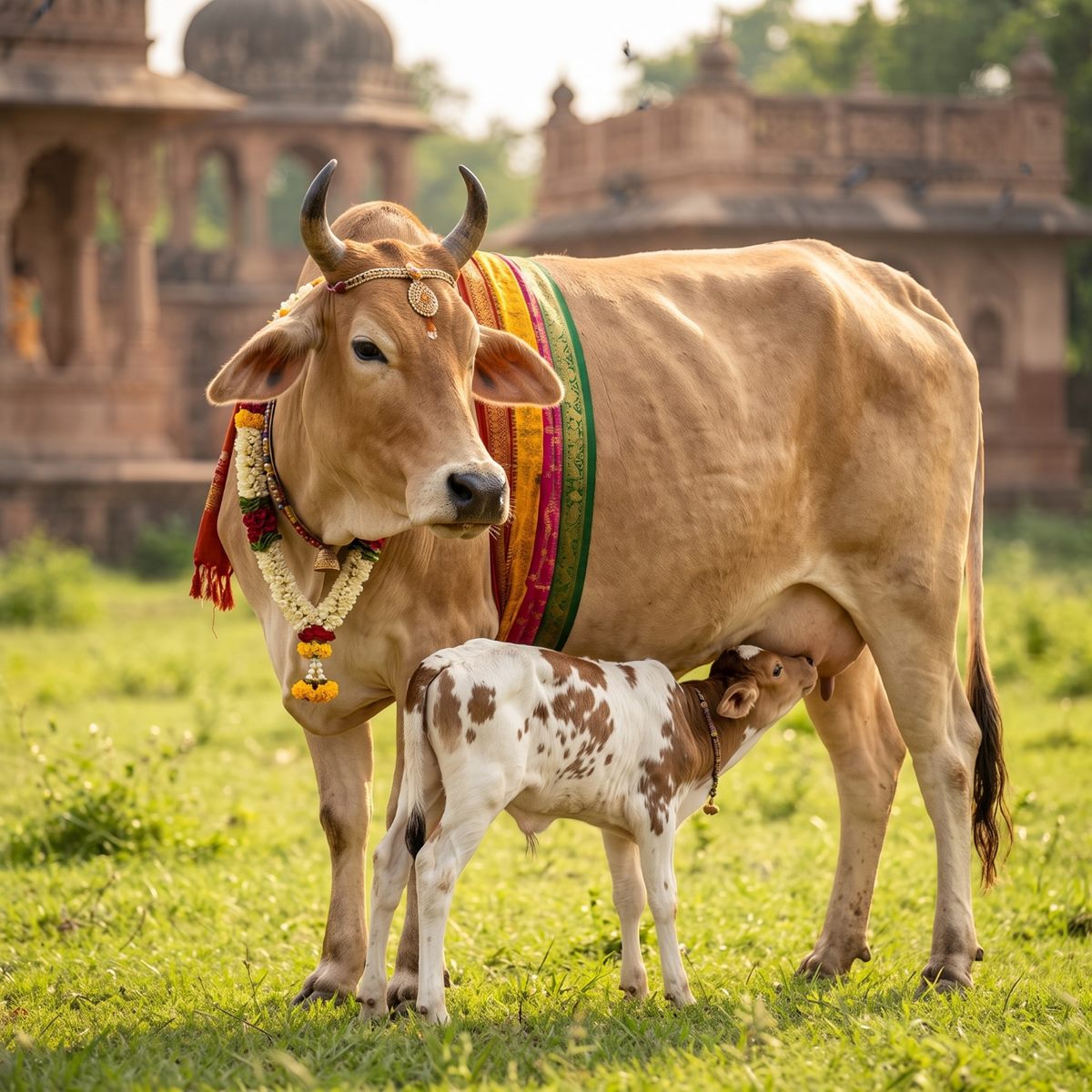
The Kaamadhenu–Nandikeshwara Divine Goshala forms the foundation of the wider project. Its guiding principle is simple: every aspect of care begins with the wellbeing of the cow. From nourishment and shelter to health, seva, farming and sustainable livelihoods, the model is shaped around compassion, dignity and responsible stewardship.
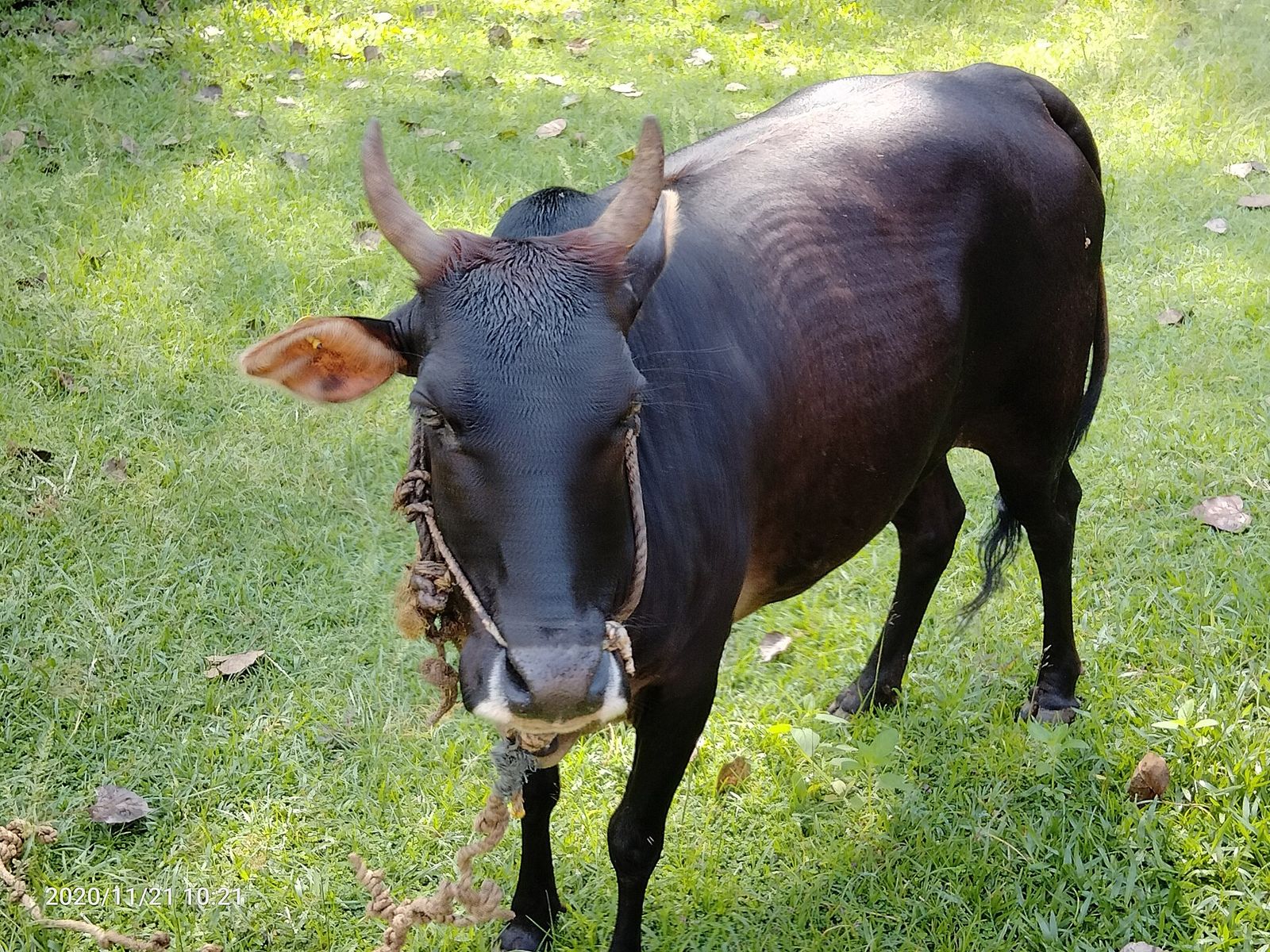
- Indigenous breedsNative cattle preserved, protected and cared for with respect for their traditional qualities.
- Calves fed firstMilk is taken only after the nutritional needs of the calves have been fully met.
- Open grazing, natural shelterAdequate space, fresh air, shade and a stress-free environment designed around animal wellbeing.
- Ayurvedic and veterinary carePreventive, traditional and modern veterinary care provided through appropriate professional support.
5.2 · Temple and ritual facilities
Two temples,
one courtyard.
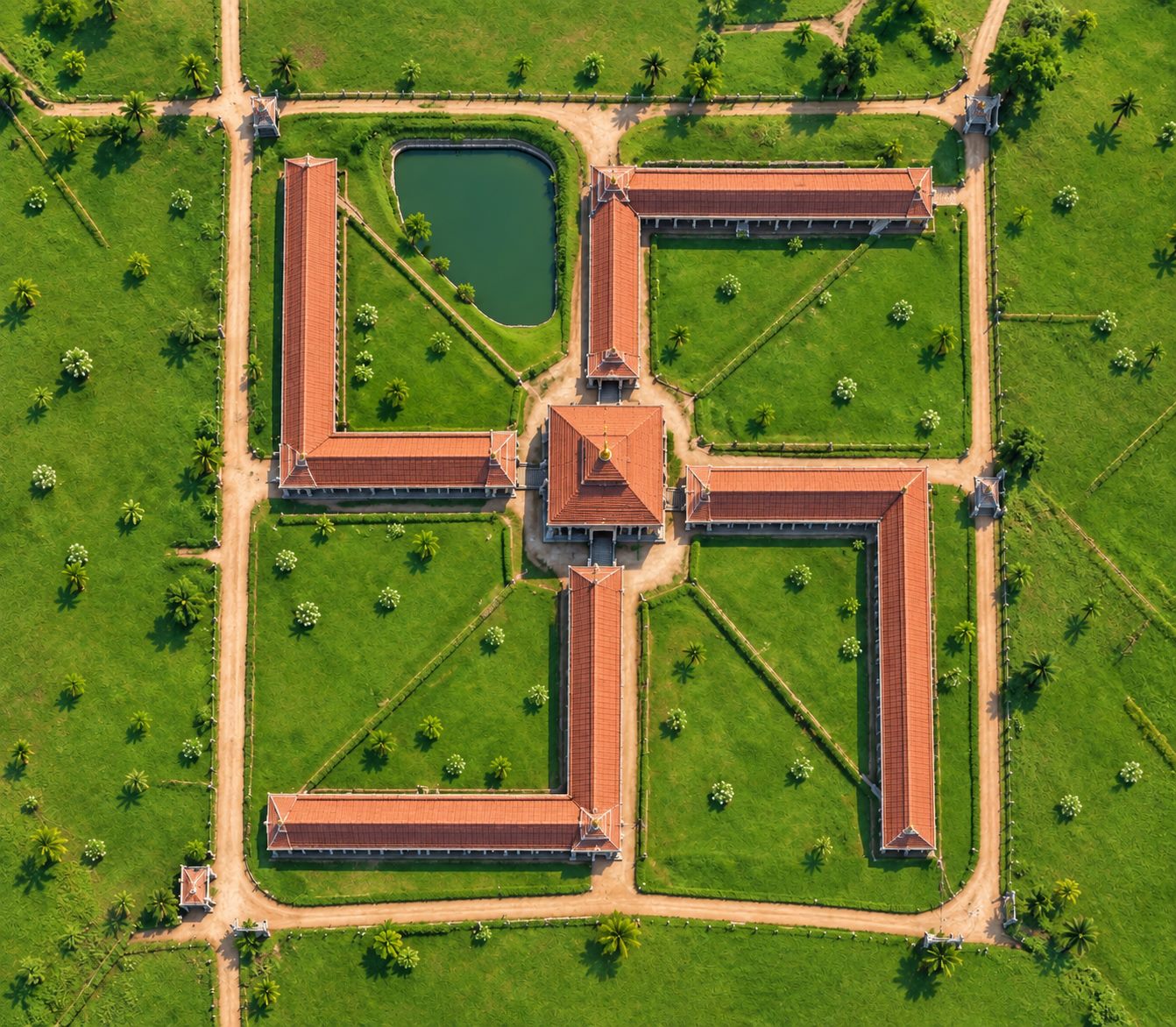
Kamadhenu–Nandikeshwara Temple
The spiritual centre of the project, and the reason the goshala is a temple and not a farm. Go-Pooja daily; a festival once a year that the whole valley is invited to.
Nakshatra Ganapathi Temple
Twenty-seven Ganapathis, one for each birth star. A person comes to their own shrine for their janma nakshatra day, for shanti rituals, and for the annual ceremony — the same shrine, every year, for a lifetime.
- Ganapathi shrines
- 27, one per nakshatra
- Daily
- Go-Pooja
- Ordered by
- Janma nakshatra
- Annual
- Temple festival
The twenty-seven
A shrine, a tree,
and a cow —
for every star.
The whole project is indexed by the birth star. Twenty-seven will not sit on one ring, so they run on three rings of nine, the way the almanac counts them. Touch a number to read what would stand under it.
Three rings of nine · use the arrow keys to walk them
5.2 · The Nakshatra Forest
Twenty-seven trees,
planted as a calendar.
Each nakshatra carries a tree. Planted together they make a grove that is also an almanac: a person can walk to their own star, and find something alive standing in it.
- Twenty-seven nakshatra treesThe species list follows the Kerala nakshatra-vanam convention, to be confirmed with the acharya before planting.
- Tree worshipThe same rite as the shrine, offered to something that grows.
- Meditation pathsWalking routes through the grove rather than a display garden.
- Ecological educationSchool and visitor programmes run from inside the forest, not a classroom.
09 · Kaalindi Aarathi
A lamp returned
to the river.
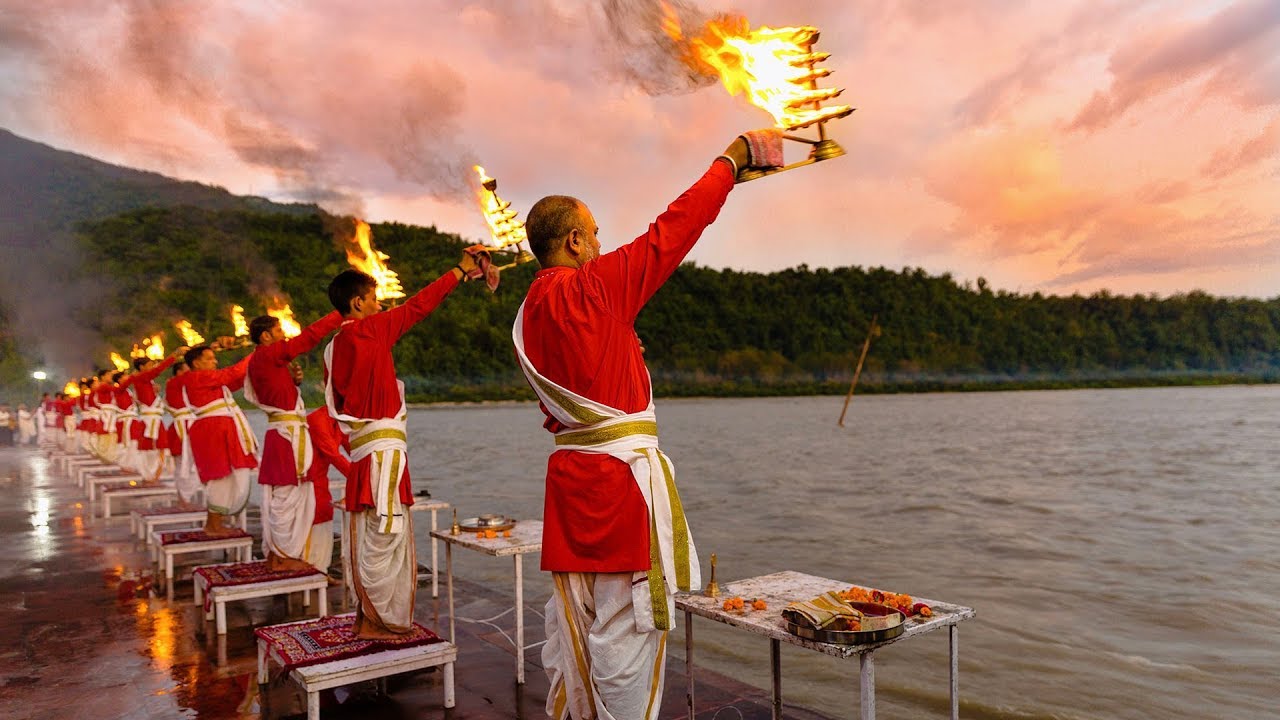
During the temple festival, pooja is offered to Mother Kaalindi herself. The intent is plain and practical as well as devotional: the river feeds the tribal families living along it, and a river that is worshipped once a year is a river that is watched all year.
Tulabharam at the temple would be offered using Kaalindi water.
Divine cow and ox adoption
Adopt the cow
born under
your star.
A family adopts a cow associated with their birth star and keeps that relationship for life — not a donation with a receipt, but a named animal that a named family is answerable to.
- Lifelong Go-Pooja in the family's name.
- The annual birth-star ritual, performed at the matching shrine.
- Direct participation in cow service — the family comes and does the work.
- Records kept both digitally and on paper, so the next generation inherits the connection.
Record of Adoption
Kaamadhenu–Nandikeshwara Goshala
- Family
- —
- Janma nakshatra
- Rohini
- Cow
- Named at adoption
- Shrine
- 4th Nakshatra Ganapathi
- Tree
- Njaval — jamun
- Annual rite
- On the janma nakshatra day
An illustration of the record, filled in with one star as an example. The register would be held by the trust and mirrored digitally, so that a family can find their entry a generation later.
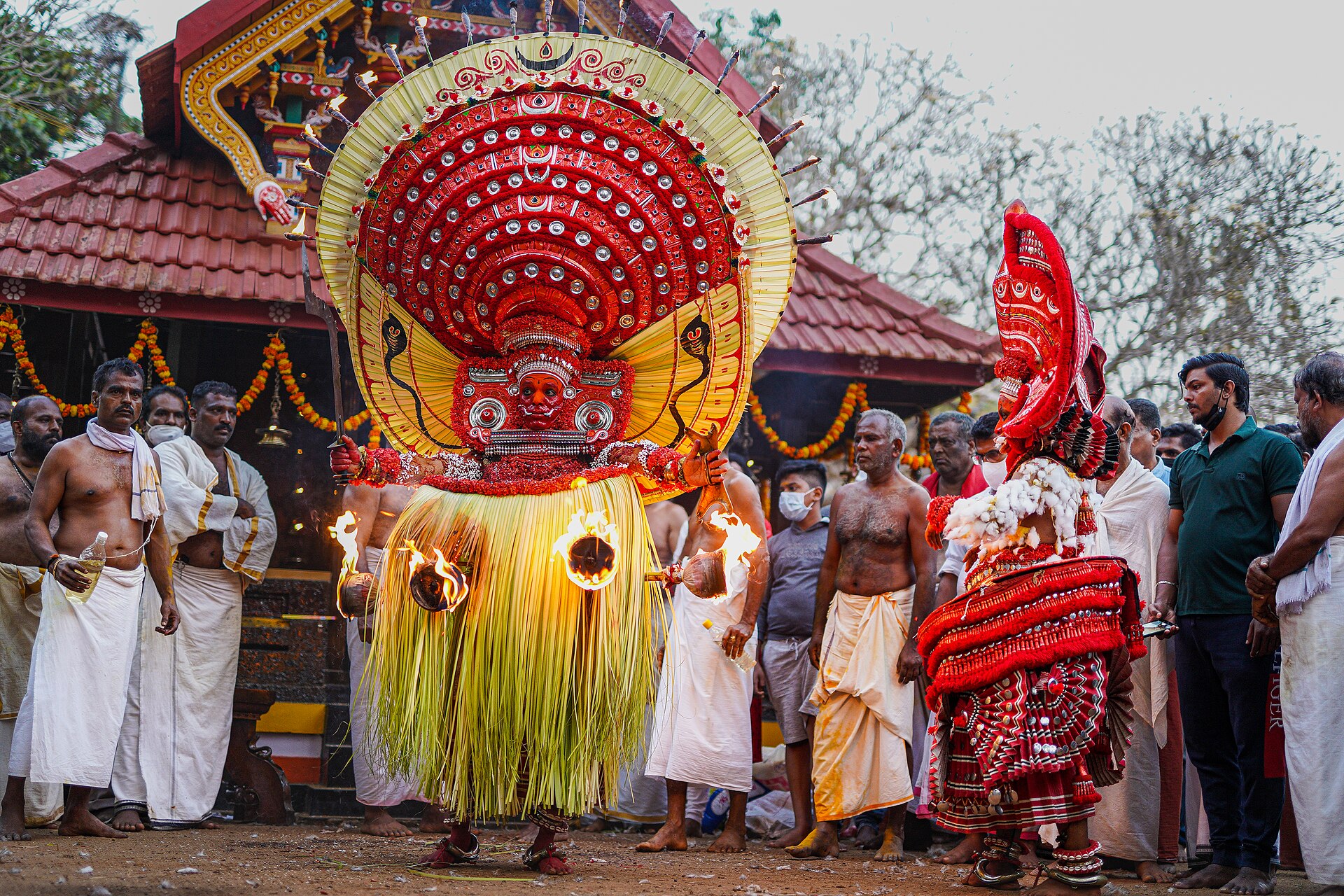 Ritual arts of the region
7 · The soul of the project
Custodians,
not beneficiaries.
The tribal communities of Wayanad are not a programme this project runs. They are the part of it that knows the land. Three commitments carry that, and the third is the one that decides whether the first two mean anything.
No displacement of land. No dismantling of culture. Consent documented, not assumed.
7.1
Cultural & living zone
- Housing in traditional styles, built the way they are built here.
- Gathering spaces that belong to the community, not to the visitor programme.
- No displacement of land, and no destruction of culture.
7.2
Roles and responsibilities
- Cow care and the management of grazing.
- Organic farming and the keeping of seed.
- Herbal and medicinal knowledge.
- Cultural education — taught, not exhibited.
7.3
Livelihood model
- Agricultural produce.
- Handicrafts.
- Cultural programmes.
- Representation in the governance of the trust.
8 · Value-added products
Purposeful
Prasadam.
What the goshala produces, offered as prasadam rather than sold as a brand — and every rupee of it accounted for against three things and nothing else.
Milk
Drawn only after the calves have been fed.
Curd and ghee
Set and churned on the premises.
Panchagavya
The five products, prepared to the traditional proportion.
Sacred ash
Vibhuti from cow dung, for the shrine and the home.
Organic fertiliser
Back into the fields it came from.
Dung cakes
Dried for the hearth and for havan.
Havan items & dhoop
Sticks and offering materials made from cow and ox dung.
Revenue goes to
- Cow protection
- Tribal livelihoods
- Temple maintenance
9 · Facilities for devotees
Somewhere to
stay, and
something to do.
- A simple dharmashala and cottages — plain, and enough.
- Sattvic vegetarian food.
- Tulabharam, offered with Kaalindi water.
- Cow-feeding service and spiritual retreats, so that a visit is participation rather than viewing.
10 · Environmental sustainability
Leave the
riverbank
better.
- Conservation zones along the bank of the Kaalindi.
- Rainwater harvesting across the site.
- Indigenous trees planted, and only indigenous trees.
- Chemical-free farming throughout.
- Carbon neutrality as the long-term goal, stated so it can be measured.
11 · Governance and administration
Who decides,
and who they
answer to.
11.1 · Legal structure
A non-profit trust, or a spiritual foundation of equivalent standing. Registration is the first phase of the work, not a formality after it.
11.3 · Ethical safeguards
- Transparency in accountsPublished, not available on request.
- Tribal consent documentedWritten down, and re-confirmed as the project changes.
- No commercialisation of ritual or cultureThe prasadam is sold. The rite and the culture are not.
12 · Phased project development
The foundation first,
then the sacred core.
Foundation & Preparation
- Master planning, project estimation and preparation of the Detailed Project Report (DPR).
- Finalisation of the project framework, design, development phases and implementation plan.
- Mobilisation and acceptance of voluntary contributions from devotees towards the construction and development of the project.
Sacred Core
- Construction of the Kaamadhenu–Nandikeshwara Temple.
- Development of the Nakshatra Ganapathi Temple and Nakshatra Forest.
- Establishment of facilities for tribal participation, organic farming and environmental conservation.
Community & Expansion
- Devotee accommodation and essential pilgrimage facilities.
- Panchagavya, organic and other sustainable products initiatives.
- Cultural, spiritual, educational and community programmes.
The phases will progress according to approvals, resources and readiness. The principle is simple: establish the foundation first, build the sacred core with care, and expand the wider seva initiatives responsibly.
13 · Desired outcomes
What it would
leave behind.
A lasting centre for Go Raksha and Go Seva.
Cows protected and cared for with compassion, dignity and reverence throughout their lives.A revival of Nakshatra-based worship.
Janma Nakshatra traditions renewed as a meaningful and enduring part of spiritual life.Stronger tribal communities.
Sustainable livelihoods, skills and opportunities that honour local knowledge, culture and a deep connection with the land.A living model of harmony.
A place where Sanatana traditions, tribal wisdom, cow protection and environmental stewardship come together for generations to come.14 · Frequently asked questions
Questions,
answered.
A few of the questions that naturally arise around Kaamadhenu–Nandikeshwara Divine Goshala & Nakshatra Temple. This section can help devotees, supporters and the wider community understand the vision, purpose and proposed development of the project.
01What is Kaamadhenu–Nandikeshwara?
It is a proposed spiritual, ecological and cultural centre bringing together Go Raksha, Sanatana traditions, Nakshatra-based worship, tribal heritage and environmental stewardship.
02What is the purpose of the Divine Goshala?
The goshala is intended to provide lifelong, compassionate care and protection for cows, with emphasis on their wellbeing, nourishment, healthcare and dignified living.
03What is the Nakshatra Temple?
The proposed Nakshatra Ganapathi Temple will have 27 Ganapathi shrines, representing the 27 Janma Nakshatras and supporting the revival of birth-star-based worship traditions.
04How will devotees participate?
Devotees may participate through worship, Go Seva, festivals, spiritual observances, volunteering and contributions towards the development and ongoing seva activities.
05How will tribal communities be involved?
The project seeks to create meaningful opportunities for participation, livelihoods, skills development and cultural preservation, while respecting and valuing traditional tribal knowledge.
06How will the project support the environment?
The vision includes organic and Panchagavya-based farming, conservation of rivers and soil, biodiversity protection, responsible resource use and nature-centred practices.
07How can I support the project?
Devotees and well-wishers can contribute through voluntary donations, seva, professional expertise, resources or participation. Contributions towards construction and development will be accepted through the Trust in accordance with its procedures.
15 · Concluding note
This is not a temple, and it is not a farm. It is a living tradition — Kamadhenu–Nandikeshwara, nature, tribal wisdom and devotion, kept in one place because they belong in one place.
नमस्ते Namasthe
Images